Bright Light but Dark Areas: Causes and Practical Fixes

The ceiling light looks extremely bright, yet the corners, sofa, table or walls remain dim. This is common because high brightness and even light distribution are not the same thing. A fixture can produce plenty of lumens while concentrating most of them in one small area.
Brightness is not the same as uniform lighting
Your eyes adapt to the brightest part of the room. When the centre is intensely lit, less illuminated areas appear even darker by comparison. Increasing output without improving distribution can therefore make the contrast more noticeable.
1. The beam angle is too narrow
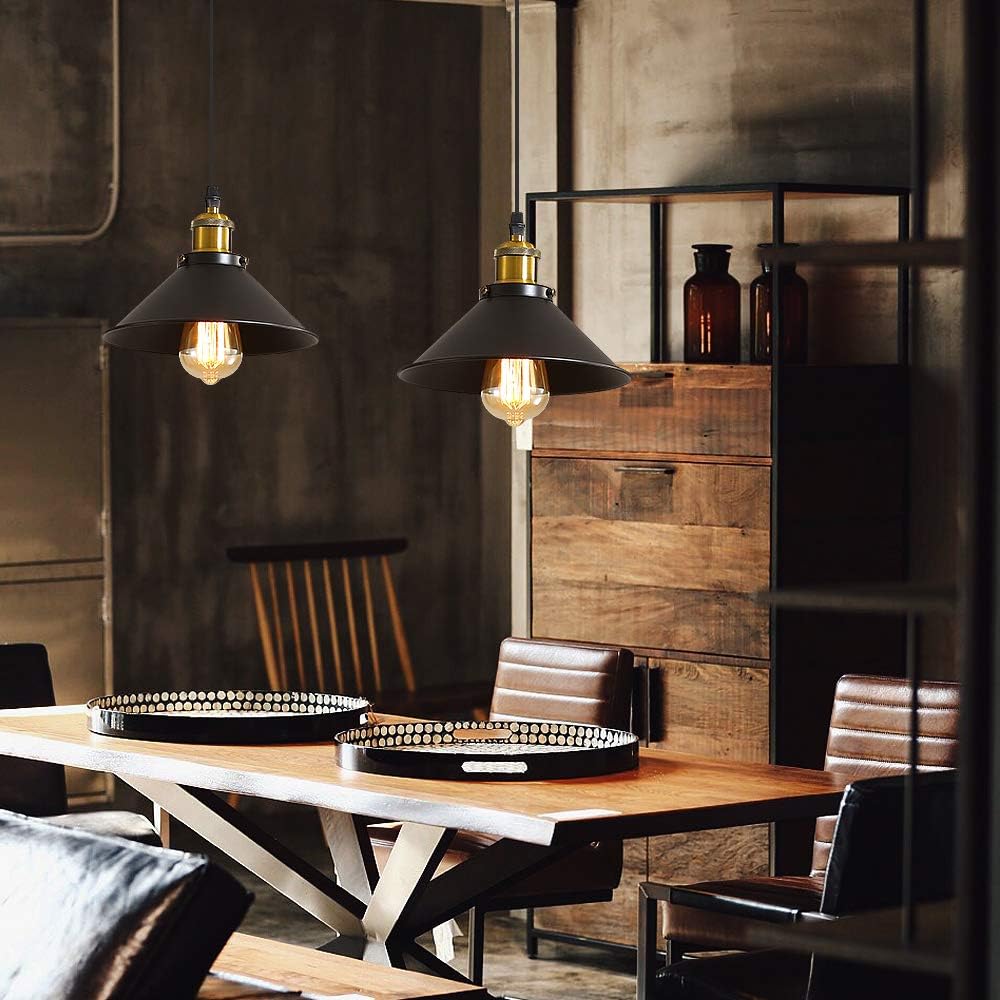
Spotlights, deep pendant shades and directional fixtures often send most light straight down. The floor below becomes bright, while walls and corners receive very little. For general room lighting, a wider beam or broad diffuser usually works better.
2. The fixture is centred, but the room layout is not
A light may be installed at the geometric centre of the ceiling, while the sofa, dining table or desk sits off to one side. The fixture then illuminates an empty area rather than the places people actually use.
3. One light source creates strong contrast
In a medium or large room, one ceiling light rarely covers every activity evenly. A floor lamp near the sofa, wall lights or a table lamp bring light closer to the task and soften the difference between the centre and edges of the room.
4. Furniture and partitions block the light
Tall cabinets, shelving, beams, heavy curtains and room dividers cast shadows. More wattage does not allow light to pass through these obstacles. Areas behind them need a separate source or a better fixture position.
5. Dark surfaces absorb light
Dark paint, deep wood tones, heavy fabrics and matte finishes reflect less light than pale surfaces. The same ceiling light will appear more effective in a white room than in a charcoal or dark green room.
6. Ceiling height changes the result
With a high ceiling, light travels farther before reaching the floor and furniture. A flush fixture may look bright from below but still provide limited illumination at working height. A lower pendant or several sources can improve the result.
7. The fixture sends light in only one direction
A downlight may leave the ceiling and upper walls dark. An uplight may create atmosphere but provide too little light on a table or worktop. General lighting often needs task and accent lighting to support it.
How to reduce dark areas
- Identify where shadows occur instead of judging only the fixture brightness.
- Check the beam angle and diffuser design.
- Add a light source close to the sofa, desk, table or worktop.
- Use several moderate sources instead of one extremely bright source.
- Light some walls to improve the sense of brightness and space.
- Position fixtures around furniture and circulation areas.
- Use lighter finishes if the room absorbs a large amount of light.
Useful lighting combinations by room
- Living room: ceiling light, floor lamp by the sofa and optional wall lights.
- Bedroom: general light, bedside lamps and wardrobe lighting.
- Kitchen: broad ceiling light plus under-cabinet lighting.
- Dining room: pendant above the table and softer ambient lighting around the room.
- Hallway: several evenly spaced fixtures instead of one central light.
Common mistakes
- Choosing only by wattage.
- Adding more lumens without changing the distribution.
- Using one narrow spotlight as the main light.
- Ignoring furniture that blocks the beam.
- Using a single central fixture in a long or open-plan room.
FAQ
Will a more powerful light remove all dark areas?
Not always. If the beam is narrow, it mainly makes the centre even brighter.
Do I need to replace the ceiling light?
Not necessarily. A floor lamp, wall light or task light may solve the problem.
Why do corners look darker at night?
Without daylight, the contrast between the bright centre and the room edges becomes stronger.
Does a larger diffuser help?
Yes, provided it spreads light sideways and not only downward.
Do pale walls really improve brightness?
Yes. They reflect more light and make the room feel more evenly lit.
Conclusion
A very bright fixture can still leave dark areas when the beam is narrow, the position is wrong or furniture blocks the light. Before increasing power, review the layout and distribution. Layering general, task and ambient lighting usually creates a more comfortable result.