Integrated LED light or replaceable bulb fixture: which should you choose?

When choosing a ceiling light, wall light, pendant or table lamp, one question often comes up: should you buy an integrated LED fixture or a light with a replaceable bulb? Both options can work well, but they are designed for different priorities.
An integrated LED fixture can look slim, modern and evenly lit. A replaceable bulb fixture gives you more freedom to change the bulb, the light colour and sometimes the brightness later. The right choice depends on the room, the look you want and how much flexibility you need over time.
What is an integrated LED fixture?
An integrated LED fixture has the LED modules built into the product. It does not use a standard bulb socket such as E27, E14, GU10 or G9. The light source, driver and housing are designed to work together as one system.
This design is common in modern LED ceiling lights, slim wall lights, LED panels and linear lights. It often allows for a thinner shape and more even light distribution across a diffuser.
What is a replaceable bulb fixture?
A replaceable bulb fixture uses a standard socket. When the bulb stops working or when you want a different light colour, you can usually replace only the bulb, as long as the socket type, wattage limit and size are compatible.
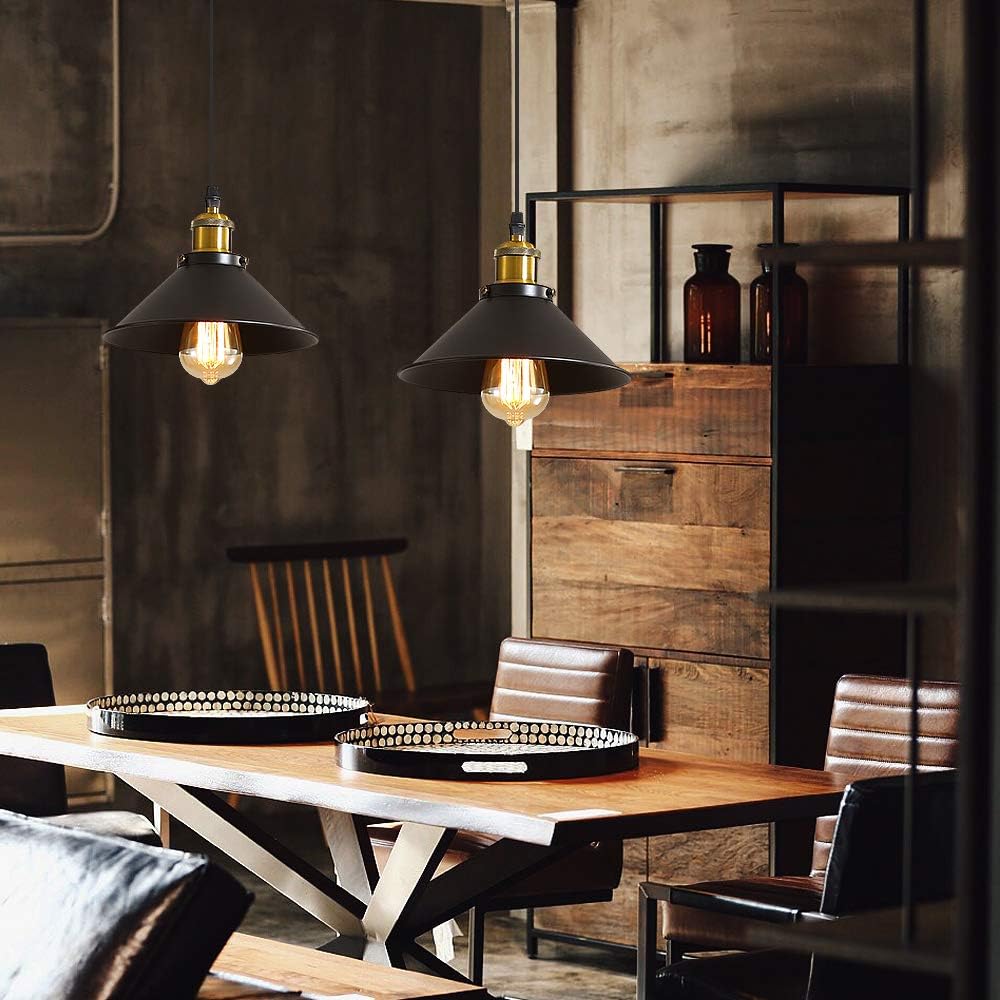
This type of light is common for pendant lights, chandeliers, bedside lamps, table lamps and decorative wall lights. It is useful when the bulb is part of the style or when you want to adjust the atmosphere later.
Advantages of integrated LED lighting
The main advantage is the clean design. Since the LEDs are built into the fixture, the shape can be thinner and the light can be spread more evenly. This is especially useful for ceiling lights in living rooms, bedrooms, hallways and kitchens.
- Slim and modern appearance
- Even light across a larger surface
- Often available with dimming, remote control or colour temperature options
- No regular bulb handling in daily use
Integrated LED lights are also helpful for low ceilings, where a flat fixture can keep the room feeling open and uncluttered.
Possible limits of integrated LEDs
The main point to consider is maintenance. In many integrated LED fixtures, the LED module is not meant to be replaced like a normal bulb. If the driver or LED board fails, repair may depend on the product design.
Before choosing this type of light, look at heat management, lumen output, colour temperature, driver quality and how often the light will be used. A very low-quality integrated fixture may not keep its light performance as comfortably over time.
Advantages of replaceable bulb fixtures
The biggest advantage is flexibility. You can choose a warmer bulb, a neutral white bulb, a brighter bulb, a decorative filament bulb or a smart bulb, as long as it fits the fixture and stays within the recommended limits.
- Simple bulb replacement
- Flexible choice of light colour and brightness
- Useful for decorative pendants and wall lights
- Easy to change the mood without changing the whole fixture
This option works well when the light fixture is also a decorative object. The bulb shape and glow can become part of the visual effect.
Possible limits of replaceable bulbs
The final light effect depends heavily on the bulb you choose. A bulb that is too weak may make the room feel dark. A bulb that is too cool may make a bedroom or dining room feel less inviting.
You also need to check the bulb size. Some glass shades, metal cages and narrow lampshades cannot fit oversized bulbs. For closed fixtures, heat build-up should also be considered.
Which option works best by room?
For a living room, bedroom, hallway or kitchen, an integrated LED ceiling light can be a practical choice when you want smooth general lighting and a modern appearance. For a dining area, bedside space or decorative corner, a replaceable bulb fixture may give more freedom.
For a bathroom or balcony, the IP rating matters in addition to the light source type. For a reading or work area, focus on glare control, brightness and a comfortable colour temperature.
Common mistakes to avoid
- Looking only at watts instead of lumens
- Choosing the wrong colour temperature for the room
- Ignoring maintenance when buying integrated LED lighting
- Using a bulb that is too large for the shade
- Choosing appearance without checking light comfort
FAQ
Is an integrated LED light always brighter?
No. Brightness depends on lumens, light distribution, diffuser quality and room size.
Can integrated LEDs be replaced?
Some designs allow technical repair, but it is usually not as simple as replacing a standard bulb.
Which is better for a pendant light?
A replaceable bulb fixture is often more flexible for decorative pendants because the bulb shape and light colour can be changed.
Which is better for a modern ceiling light?
An integrated LED fixture is often suitable for a slim, modern ceiling light with even illumination.
Conclusion
Integrated LED fixtures are a strong option for modern, slim and even lighting. Replaceable bulb fixtures are useful when flexibility and easy bulb changes matter more. The better choice depends on your room, your decoration style and how much freedom you want in the future.