How Can Living Room Lighting Avoid Looking Like an Office?

A living room can be bright enough and still feel uncomfortable. This often happens when the whole space depends on one ceiling light that is too white, too strong or too even. The room is visible, but it lacks softness, depth and a relaxed feeling. That is why some living rooms end up feeling more like an office than a place to unwind.
Why does living room lighting sometimes feel like office lighting?
Office lighting is usually designed for focus and visibility. It needs to light desks clearly and keep the room practical. A living room has different needs. It is used for watching TV, talking, reading, resting and sometimes dining. If every moment uses the same bright overhead light, the room can feel flat.
1. Avoid overly cool light in the relaxation area
Colour temperature changes the mood quickly. Cool white light may look clean, but in a sofa area it can feel sharp, especially with white walls, grey flooring or minimal furniture. Warm white or soft neutral light usually works better for the main seating area. It makes wood, fabric, cushions and wall colours feel more natural.
2. Do not rely only on the main ceiling light
A central ceiling light is useful for general brightness, but it shines mostly from above. On its own, it can make faces look harsh and corners look forgotten. Add a lower light source, such as a table lamp, floor lamp, wall light or shelf light. This gives the room more depth without needing more brightness everywhere.
3. Create lighting zones instead of one uniform level
A comfortable living room does not need the same brightness in every corner. The reading chair needs more focused light. The TV wall may need soft background light. The coffee table can stay gently lit. These small differences make the space feel more like a home and less like a work area.
4. Light the walls, not only the floor
When light falls only from the ceiling to the floor, the walls can look dull. In a living room, walls help create the feeling of space. A wall light, an uplight, a shelf light or indirect light near a bookcase can make the room feel warmer and more finished.
5. Be careful with very powerful ceiling lights
A strong ceiling light can be useful for cleaning or finding something, but it is often too much for the evening. If the fixture is dimmable, lower it after dinner. If it is not dimmable, use secondary lamps so the main light does not have to carry every situation.
6. Check diffusion and glare control
Visible LEDs, hard reflectors and narrow beams can make a living room feel severe. Opal diffusers, fabric shades, indirect light and shielded light sources are usually softer. The goal is not to make the room dark. The goal is to avoid raw, exposed light.
7. Match lighting to the time of day
Morning and daytime lighting can be clearer and more practical. Evening lighting usually feels better when it is softer, lower and more layered. Separate switches, dimmers or a few independent lamps make the room easier to adjust.
Simple combinations that work well
- Small living room: diffused ceiling light plus a table lamp near the sofa.
- TV area: soft main light plus indirect light around the TV unit.
- Reading corner: general ceiling light plus an adjustable floor lamp.
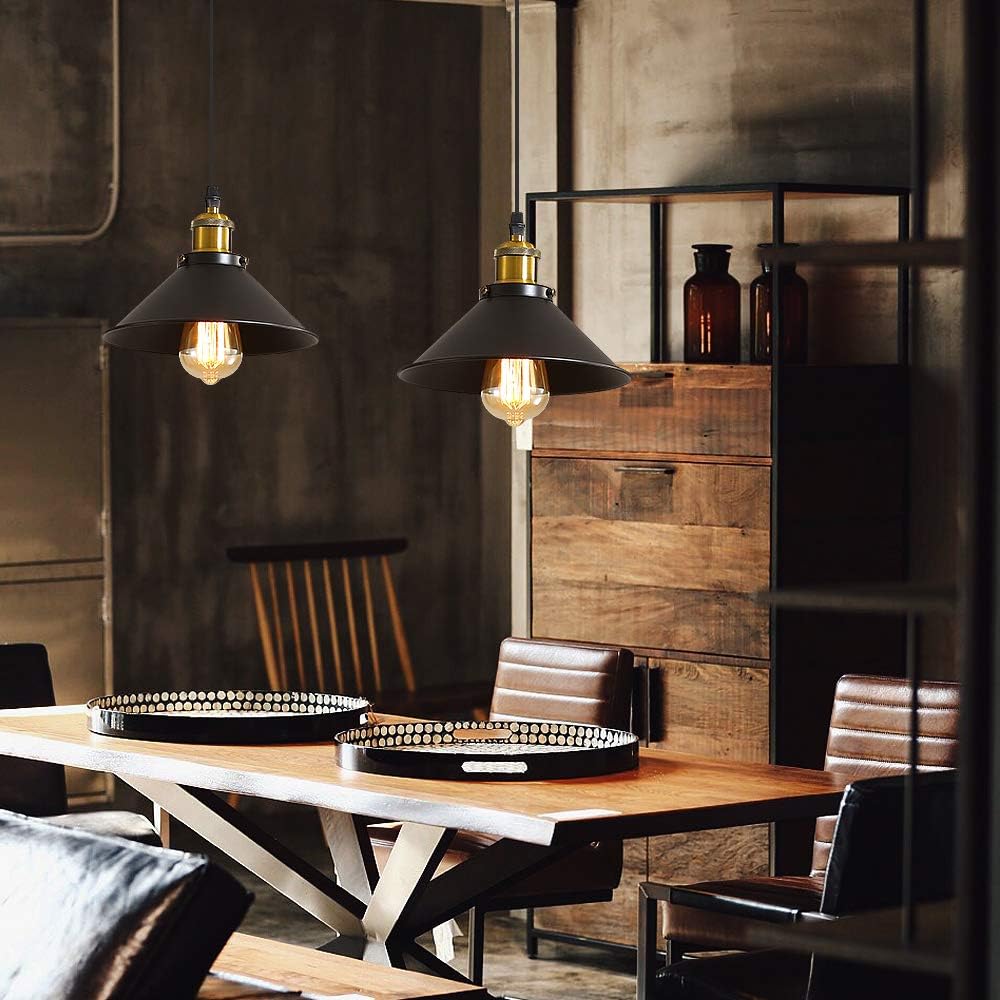
- Open living and dining room: pendant over the table, softer lamps near the sofa.
- Dark living room: a wall light or uplight to brighten one side wall.
Common mistakes to avoid
- Choosing very cool light because it appears brighter.
- Using one strong ceiling light as the only source.
- Using the same brightness for reading, guests and TV.
- Leaving walls, shelves and corners unlit.
- Mixing several colour temperatures without a plan.
- Choosing a decorative fixture without checking how it diffuses light.
FAQ
Should living room lighting always be warm?
Not always. Soft neutral light can also work. The main thing is to avoid lighting that feels too cold and uniform in the seating area.
Can one ceiling light be enough?
It may be enough for basic brightness in a small room. For atmosphere, one extra lamp usually makes a clear difference.
Why does my living room feel cold even with a nice light?
The fixture may look good, but the colour temperature, brightness, wall colour and lack of side lighting can still make the room feel cold.
Is dimmable lighting worth it in a living room?
It is useful when the room has several uses. Dimming lets the same fixture change from practical light to evening light.
Conclusion
To avoid an office-like living room, do not depend only on one bright overhead fixture. Use warmer or softer light, add lower light sources, brighten some walls and create different zones. A living room feels better when the lighting can change with the way the room is actually used.