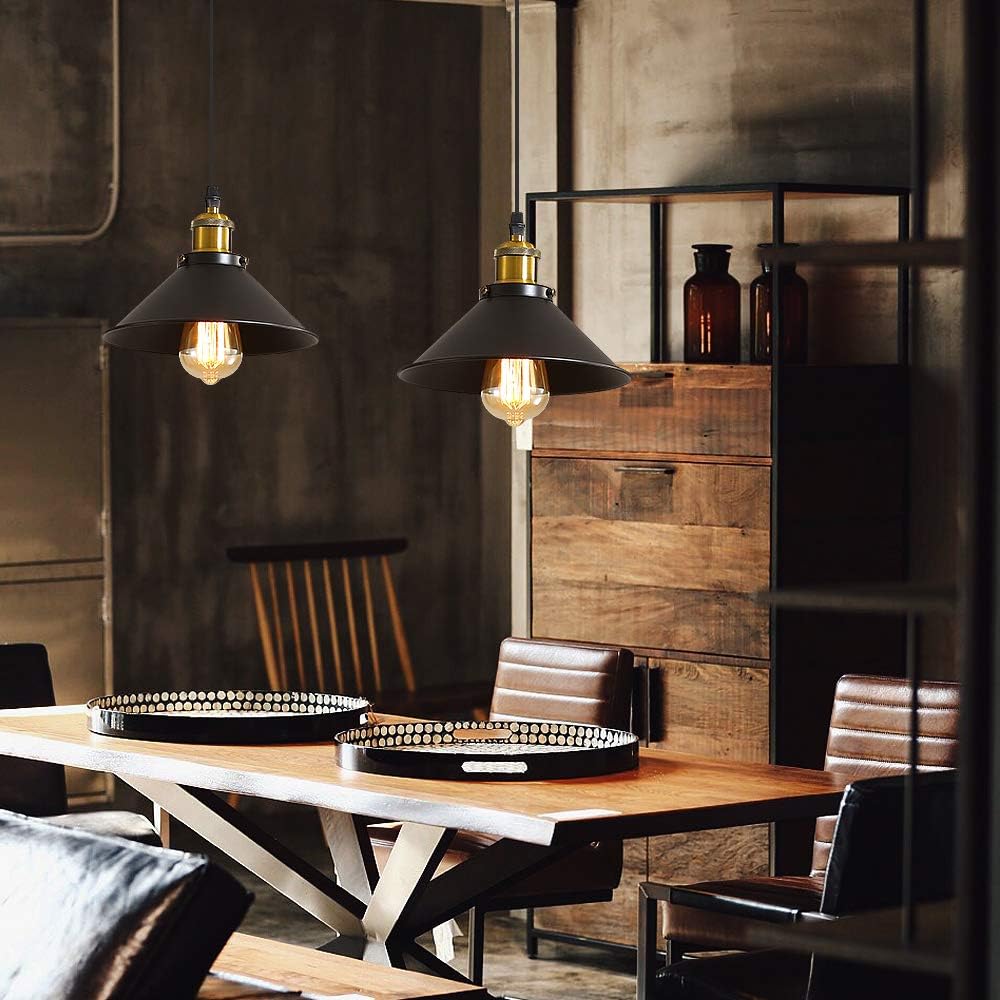
Why Do Some Living Rooms Feel More Comfortable with the Main Ceiling Light Off?

Many people follow the same evening routine without thinking about it: they switch on the main ceiling light when they enter the living room, then turn it off a few minutes later and leave a floor lamp or table lamp on instead.
The main light is useful because it makes the whole room visible at once. That is ideal for cleaning, tidying, finding something or hosting a busy gathering. Sitting on the sofa is different. For television, conversation or quiet reading, a strong source above the centre of the room can feel more noticeable than helpful.
Overhead light is more likely to stay in your field of vision
Most living-room activities happen while seated. Your eyes are therefore relatively low, while a bright ceiling fixture may remain visible in peripheral vision. This becomes more obvious in rooms with lower ceilings or with diffusers that appear very bright.
A shaded floor lamp, a wall light aimed at a surface or a small table lamp is easier to ignore physically. You see the light on the room rather than constantly seeing the light source itself.
The whole room does not need equal brightness all evening
General lighting is often designed to minimise dark corners. That makes sense for practical tasks, but relaxation rarely requires the same illumination everywhere.
A brighter pool beside the sofa, a reading light near one chair and a gentle lamp near shelving may be enough. Areas that are not being used can remain dimmer. The changing brightness gives the room depth and makes separate zones easier to read.
Television makes overhead lighting more noticeable
A bright ceiling light can reflect on the screen, a glossy coffee table or dark furniture. At the other extreme, watching television in complete darkness creates a very strong contrast between the screen and its surroundings.
A low-output light beside or behind the television, a wall light aimed away from the screen, or a dim floor lamp can keep the room comfortable without flooding the ceiling with light.
Lower light sources sit closer to where life actually happens
A lamp beside the sofa puts light near people, books, drinks and conversations. The ceiling becomes less visually dominant, while furniture, curtains, timber and textiles become more noticeable.
This shift in emphasis explains why some rooms feel calmer with the main light off. The visual centre of gravity moves down to human height.
Colour temperature changes the evening atmosphere too
Very cool, bright light can feel harsh at night, particularly in a room filled with timber, textiles and warm colours. Many people prefer light around 2700 to 3000 K for evening use.
Colour temperature is only one part of comfort. A warm lamp can still glare if it is too bright or directly visible. A neutral light can feel pleasant when it is well diffused. Position, output and shielding matter just as much.
A living room without the main light is not automatically well lit
Adding several small lamps without a plan can leave circulation routes or practical areas too dark. There are also times when strong general light is genuinely useful: cleaning, games, repairs, sorting things or hosting a group.
For many homes, the most flexible solution is to keep the ceiling light but stop treating it as the only light. It becomes the bright general setting, while lower sources handle relaxed evenings.
Which lights work well when the main light is off?
- A floor lamp beside the sofa for a clear pool of light.
- A table lamp on a console or side table.
- A wall light that reflects light off the wall or ceiling.
- A dedicated reading lamp beside a chair.
- Subtle indirect lighting on shelving or behind furniture.
How do you avoid making the room too dark?
Start with activities, not with a target number of lamps. Identify where people sit, read, watch television and move through the room. Each important zone should have enough nearby or reflected light.
Light walls and ceilings bounce illumination back into the room. Dark walls, heavy curtains and matte finishes absorb more, so the same lamp may feel weaker in a darker interior.
FAQ
Do I need to remove the ceiling light to create a more comfortable living room?
No. Keeping it gives you useful bright general light. Comfort often comes from having several lighting options rather than using one setting for everything.
How many lamps should a living room have?
There is no fixed number. A small room may work with a ceiling light and one floor lamp. A large open-plan room may need several zones.
Is warm light always more relaxing?
Not always. Warm light is popular in the evening, but glare, brightness and position can make any colour temperature uncomfortable.
Should I put a light behind the television?
A gentle indirect light can reduce the contrast between the screen and the room. It should not create visible reflections on the display.
If your living room feels better the moment the main ceiling light goes off, look at what actually changed. The bright source may have left your field of view, the contrast may have softened and separate zones may have gained depth. Those observations are more useful than any rule saying a living room should or should not use a main light.