How to Choose a Dining Room Light: Lighting Tips for a Warmer Dinner Atmosphere

In a dining room, lighting is not just about seeing the food on the table. It affects the mood of the meal, the comfort of the space and even how the colours of food, tableware and furniture appear.
A dining room light that is too bright can make the space feel cold and unwelcoming. If the light is too dim, the room may feel dark and impractical for everyday use. To create a pleasant dining atmosphere, the key is to balance functional lighting with soft ambient light.
Why is dining room lighting so important?
The dining room is often a place for sharing: family meals, dinners with friends, quick breakfasts or quiet evenings at home. The lighting should be comfortable enough for eating, talking and spending time at the table without visual discomfort.
Unlike the kitchen, where clear visibility on the worktop is the priority, the dining room usually needs softer and warmer lighting. The goal is not necessarily to light the whole room evenly, but to highlight the table and create a welcoming dining zone.
Pendant light, ceiling light or wall light: which one should you choose?
Pendant light above the dining table
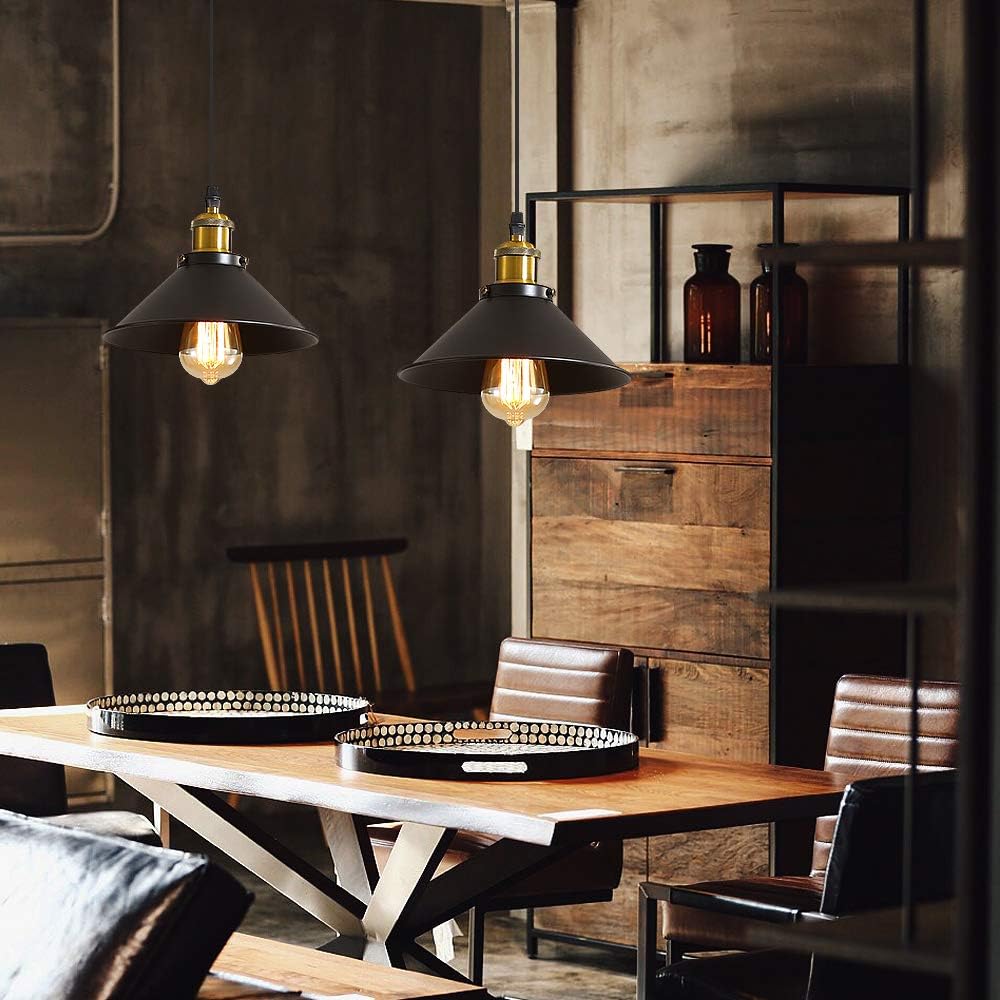
A pendant light is one of the most popular choices for a dining room. Placed above the table, it creates a visual focal point and helps define the dining area, especially in open-plan homes.
For a large rectangular table, a long pendant light or several smaller pendants in a row can create a more balanced look. For a round table, a single central pendant with a softer shape often works very well.
Ceiling light for smaller dining areas
In an apartment or a compact dining room, a ceiling light can be a practical option. It takes up little visual space and works well in rooms with lower ceilings.
A modern LED ceiling light can provide even general lighting without making the room feel crowded. To avoid a flat lighting effect, it can be combined with a wall light or a small accent lamp.
Wall light for a warmer atmosphere
A wall light is ideal for adding soft light around the dining area. It may not always replace the main light, but it can bring warmth, depth and a more intimate feeling to the room, especially in the evening.
Whether your interior style is modern, rustic, French bistro, industrial or contemporary, a well-placed wall light can make the dining room feel more decorative and welcoming.
What colour temperature is best for a dining room?
Colour temperature has a strong effect on the atmosphere. Light that is too cold can make a dining room feel like an office or cafeteria. Light that is too yellow may change the appearance of food and make the space feel less clear.
For most homes, a colour temperature between 2700K and 3000K works well if you want a warm and cosy mood. For a more modern and slightly clearer look, light around 3500K to 4000K can also be suitable, especially in an open-plan kitchen and dining area.
- 2700K to 3000K: warm light, ideal for relaxed dinners and a cosy atmosphere.
- 3500K to 4000K: more neutral light, useful for dining areas connected to the kitchen.
- 5000K and above: often too cool for a family dining room.
How high should a pendant light hang above the dining table?
Installation height is often overlooked. If a pendant light hangs too high, it may lose its decorative effect and fail to light the table properly. If it hangs too low, it can block the view, create glare or feel uncomfortable during meals.
As a general guide, keep around 70 to 90 cm between the tabletop and the bottom of the light fixture. This distance usually lights the table well without disturbing people seated around it.
For a very large table or a room with a high ceiling, the height can be adjusted slightly to keep the overall proportions balanced.
What size should a dining room light be?
The size of the light should match the size of the table. A fixture that is too small may look lost above a large table. A fixture that is too large can visually overwhelm the space.
- For a small round table, choose a compact pendant light or decorative ceiling light.
- For a rectangular table, a long fixture or several light points often looks more balanced.
- For a large family table, avoid relying on one very small light source in the centre.
- For a narrow dining room, choose a slim design that does not make the space feel crowded.
How to avoid glare at the dining table
Good dining room lighting should remain comfortable even when you sit at the table for a long time. If the bulb is directly visible and too bright, it can easily feel harsh or distracting.
To reduce glare, choose a light with a diffuser, lampshade, opal glass or a decorative bulb with a softer glow. A moderate LED brightness is often more comfortable than a very powerful light source placed too low.
If you like fixtures with exposed bulbs, choose a bulb with suitable brightness and a warm colour temperature to keep the atmosphere pleasant.
Is a dimmable dining room light useful?
A dimmable dining room light can be very practical. It allows you to adjust the brightness for different moments: brighter when setting the table or sharing a family meal, softer for a quiet dinner or an evening with guests.
Before buying, check the compatibility between the fixture, bulb, LED driver and dimmer switch. Not all LED lights are compatible with a traditional wall dimmer.
Combine several light sources for a better atmosphere
For a truly comfortable dining room, it is often better not to rely on a single light. A pendant light above the table can be complemented by wall lights, a lamp on a sideboard or a small decorative light.
This combination creates several layers of light. The table stays well lit, while the walls and corners of the room feel warmer and more inviting.
- Pendant light: main light focused on the dining table.
- Wall light: soft ambient light around the room.
- Accent lamp: decorative light on a sideboard or console.
- Small LED candle or table lamp: warm detail for evening meals.
Match the light fixture with your interior style
A dining room light is also part of the decoration. It should work with the table, chairs, flooring, wall colour and other decorative elements.
For a modern interior, simple lines, black metal, white finishes or subtle gold tones often work well. For a natural atmosphere, wood, rattan or glass can add warmth. For an industrial or bistro-style dining room, exposed bulbs, dark metal and retro shapes can create more character.
Common mistakes to avoid
The first mistake is choosing a light only because it looks good in a product photo. Once installed, it may be too large, too low or too weak for your dining table.
The second mistake is choosing a colour temperature that is too cold. In a dining room, cold light can make the atmosphere feel less inviting and more functional than comfortable.
Another common issue is lighting only the ceiling. A dining room feels more charming when the light comes down towards the table and gently supports the rest of the room.
FAQ: choosing the right dining room light
What is the best light colour for a dining room?
Warm or slightly neutral light is usually more pleasant. A colour temperature between 2700K and 3000K works well for a cosy dining atmosphere.
Do I need a pendant light above the dining table?
No. A pendant light is decorative and practical, but a well-chosen ceiling light or several wall lights can also create a beautiful atmosphere, especially in smaller spaces.
How high should a dining table light be?
A common recommendation is to keep about 70 to 90 cm between the tabletop and the bottom of the fixture. This helps light the table without blocking the view.
Can I combine pendant lights and wall lights?
Yes. This is a good way to make the dining room feel more layered and comfortable. The pendant lights the table, while the wall lights add soft background lighting.
What light is best for a small dining room?
In a small dining room, a compact ceiling light, a light pendant or discreet wall lights can provide pleasant lighting without making the space feel crowded.
Conclusion
Choosing a dining room light is not only about finding a beautiful design. You also need to consider the size of the table, the installation height, the colour temperature and the type of lighting you want.
A well-placed pendant light, a suitable ceiling light or a few wall lights can completely change the feeling of a meal. With soft, well-positioned lighting that matches the room, the dining area becomes warmer, more comfortable and more enjoyable for everyday life.