How to Choose Stair Lighting: Practical Tips for a Brighter and More Comfortable Staircase

In a house, duplex apartment or townhouse, the staircase is used every day. However, stair lighting is often planned too late, with only one wall light, a weak ceiling light or a fixture that illuminates only the top or bottom of the stairs. The result can be dark steps, harsh shadows or an uncomfortable lighting effect.
Choosing the right stair lighting is not only about decoration. It should make each step easy to see, feel comfortable to the eyes and match the overall style of the home.
Why is stair lighting important?
A staircase is a transition area. It is used in the morning, in the evening, sometimes with both hands full, and often with limited natural light. If the lighting is too weak, some steps may become difficult to distinguish. If the light is too bright or badly positioned, it may cause glare when going up or down.
Good staircase lighting should make the steps clearly visible without making the space feel cold or overly bright. It can also improve the look of an entrance, hallway or open stairwell.
Which types of lights are suitable for stairs?
1. Wall lights for stairs: practical and decorative
Wall lights for stairs are one of the most common choices. They are installed along the side wall and spread light across the staircase. They work especially well for enclosed staircases, narrow stairwells and spaces where the light fixture also needs to add decoration.
To reduce glare, choose a wall light with a diffuser, lampshade or indirect light direction. Open-bulb wall lights can look stylish, but they should be paired with a soft, suitable bulb rather than a very bright exposed bulb.
2. Ceiling lights for landings and small stairwells
A ceiling light is a simple solution for a landing, a small hallway or a short staircase. It provides general lighting and is usually easy to install.
For long, high or curved staircases, one ceiling light may not be enough. The light may stay concentrated in one area while other steps remain in shadow.
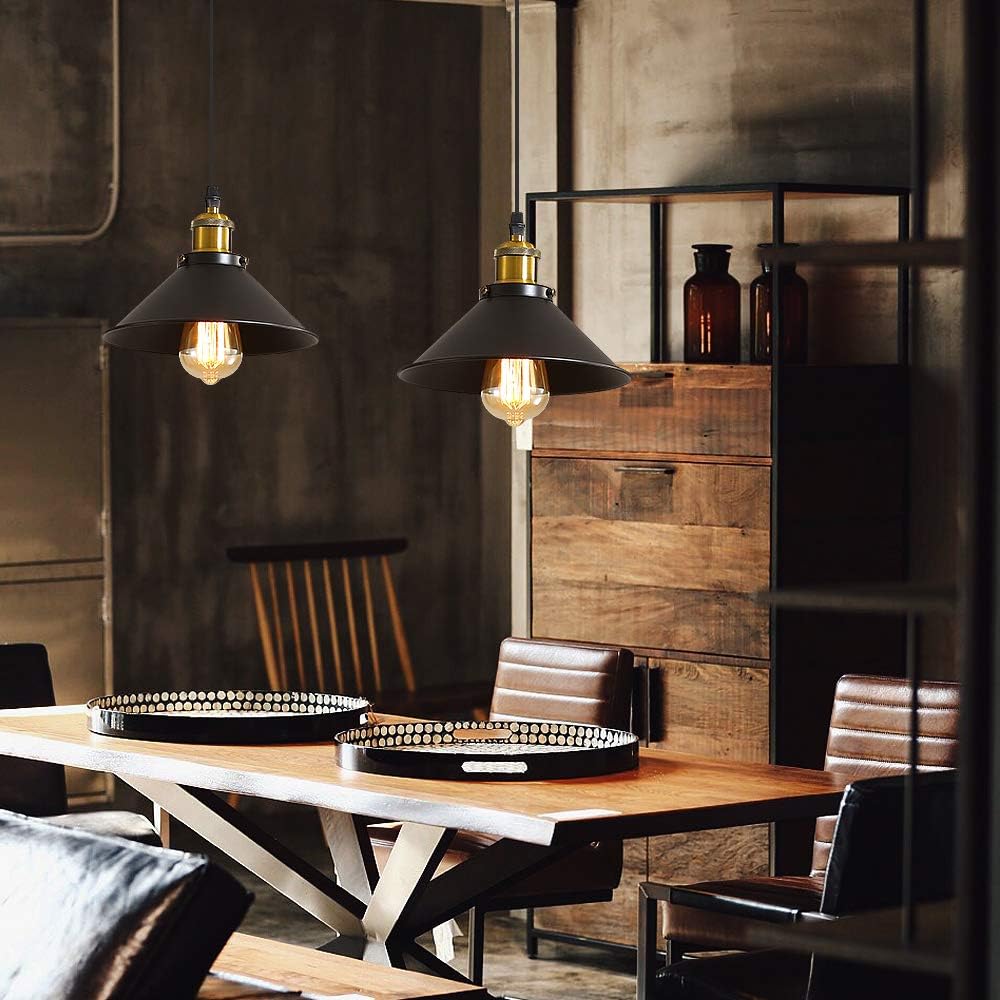
3. Pendant lights for high stairwells
In a stairwell with a high ceiling, a pendant light can become a strong decorative feature. It adds visual height and works well in entrances, open staircases or homes with a mezzanine.
The installation height is very important. A pendant should not block the passage or feel too low. If it is too small, it may look lost in a tall space; if it hangs too low, it can become impractical.
4. Recessed step lights or low wall lights
Small lights installed near the steps or low on the wall create a modern and discreet effect. They help guide movement without lighting up the entire staircase too strongly.
This solution is often better for new builds or full renovations, as it usually requires more detailed electrical planning. For a simpler update, wall lights or ceiling lights are often easier to install.
What colour temperature should you choose for stair lighting?
For indoor stairs, very cool light can make the space feel less welcoming. However, light that is too warm and too weak may make details harder to see.
In many homes, a colour temperature around 3000K works well for staircases near the living room, entrance or bedrooms. It creates a warm and comfortable atmosphere. A neutral light around 4000K can be useful in darker stairwells, modern hallways or more functional areas.
- 3000K: warm and cosy, suitable for entrances, family homes and stairs near living spaces.
- 4000K: more neutral, useful for improving step visibility.
- 6500K: use carefully, as it can feel too cold for many home interiors.
How bright should stair lighting be?
A staircase does not need to be as bright as a kitchen or home office. The key is even light distribution. A single strong light can create strong contrast, with one area very bright and another area too dark.
For a short staircase, one or two wall lights may be enough, depending on the fixture and the light spread. For a long, curved or enclosed staircase, it is usually better to use several moderate light points instead of one powerful fixture.
Where should lights be placed on a staircase?
Placement is just as important as the type of light. A wall light installed too high may illuminate the wall but leave the steps less visible. A fixture placed too low may disturb the passage or draw too much attention.
For many wall lights, a height of around 1.60 m to 1.80 m can work well, depending on the design of the fixture, the wall height and the shape of the staircase. The goal is to direct soft light toward the walking area without placing the bulb directly in the line of sight.
For longer staircases, several lights should be placed at regular intervals. This creates a more balanced effect and avoids having one very bright section and another section that feels too dark.
Common stair lighting mistakes to avoid
Mistake 1: Not enough light on the steps
Soft lighting can create a pleasant atmosphere, but if the steps are not clear enough, daily use becomes less comfortable. Always check how the light falls on the steps, not only how it looks on the wall.
Mistake 2: Using a bulb that is too dazzling
When using stairs, your eye level and viewing angle change constantly. A very bright exposed bulb can quickly become uncomfortable. An opal bulb, diffuser, lampshade or indirect light can improve visual comfort.
Mistake 3: Using only one light point for the whole staircase
In long or turning staircases, a single light often creates shadow zones. Several well-placed light points with moderate brightness usually feel more balanced and practical.
Mistake 4: Ignoring the style of the home
A staircase is often visible from the entrance, hallway or living room. The light fixture should therefore match the surrounding decoration. Black wall lights can suit modern or industrial interiors, while wood details can create a warmer and more natural feeling.
What lighting works best for a narrow staircase?
For a narrow staircase, avoid bulky lights that extend too far from the wall. They can make the passage feel smaller or less comfortable.
Slim wall lights, vertical designs or fixtures with a shallow profile are usually more suitable. Up-and-down light can also create a decorative wall effect without taking up much space.
What lighting works best for an open or modern staircase?
For an open staircase with a light railing or a modern structure, lighting can become part of the design. Decorative wall lights, a slim pendant light or discreet low-level lights can highlight the shape of the staircase.
In this case, it is important to keep the lighting style consistent with other visible fixtures in the home, such as the living room ceiling light, entrance pendant, hallway lighting or decorative wall lights.
Is motion sensor lighting useful for stairs?
Motion sensor lighting can be practical for stairs used at night, in a hallway or near a secondary entrance. It makes movement easier without needing to search for the switch.
However, the best choice depends on how the staircase is used. In a main stairwell that is visible from the living area, a classic wall light or decorative lighting design may create a warmer and more elegant atmosphere.
FAQ about choosing stair lighting
What is the best light colour for indoor stairs?
Warm white around 3000K works well for many homes. In darker or more functional stairwells, neutral white around 4000K can help improve visibility.
How many wall lights do I need for a staircase?
It depends on the length, shape and brightness of the lights. A short staircase may need one or two wall lights. A long or turning staircase usually benefits from several light points.
Can I use a pendant light in a stairwell?
Yes, especially if the ceiling is high or the staircase is open. The pendant should not block movement and should remain proportionate to the space.
What type of light is best for a narrow staircase?
A slim wall light with diffused or indirect light is often a good choice. It saves space while still providing comfortable orientation lighting.
Does a staircase need to be very bright?
Not necessarily. Even lighting is more important than maximum brightness. Several well-positioned moderate lights can be more comfortable than one very strong light.
Conclusion
Good stair lighting combines visibility, visual comfort and interior style. Wall lights are a practical and decorative solution for many staircases, while ceiling lights, pendant lights or recessed step lights can also work depending on the layout.
Before choosing a fixture, look at the shape of the staircase, ceiling height, passage width and the atmosphere you want to create. A well-planned lighting setup makes the staircase more comfortable to use and helps it blend naturally with the rest of the home.