Matte or Glossy Light Fixtures: Which Should You Choose and Which Ages Better?

Two light fixtures with the same shape can feel completely different because of the finish. Matte black tends to look calm and architectural. Gloss black reflects windows, furniture and other light sources, so it attracts more attention. The finish changes maintenance, scratch visibility, styling flexibility and how well the fixture ages with the room.
Matte finishes reduce reflections
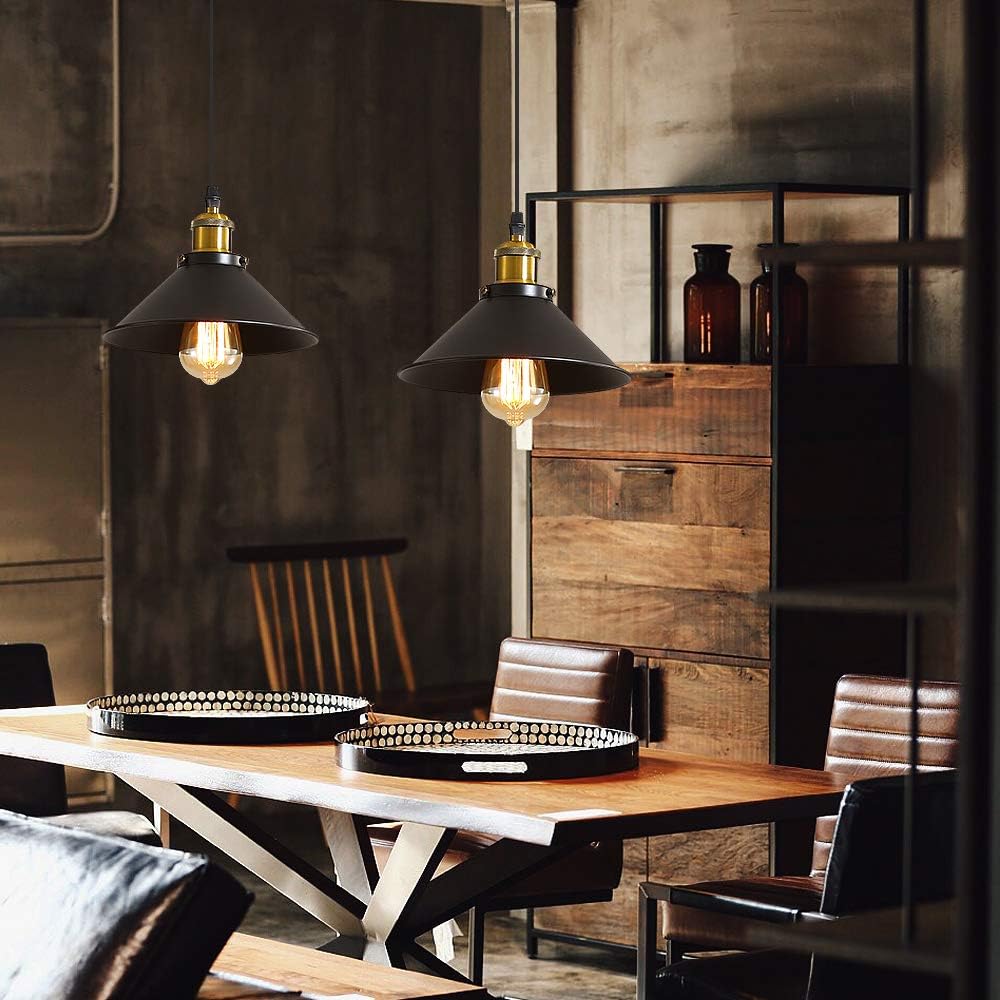
A matte surface scatters light instead of reflecting a clear image. The colour looks more stable from different angles, and the fixture usually sits more quietly in the room. This works well for ceiling lights, pendants and wall lights in modern, Scandinavian and minimal interiors.
Gloss adds depth and contrast
Glossy surfaces pick up highlights and surrounding colours. Chrome, polished brass, copper and lacquered black can look richer because they interact strongly with light. This effect works especially well when the fixture is intended to be a focal point.
Fingerprints show more on glossy finishes
Polished metal, glossy glass and lacquered black reveal fingerprints quickly. Adjustable lights or fixtures mounted at hand height may need regular wiping. Matte finishes hide greasy fingerprints better, although dark matte surfaces can show dust.
Scratches look different on each finish
A fine scratch on gloss breaks the reflection and can become obvious. Small scratches tend to blend more easily into matte textures. Deep damage will show on either finish. Coating quality matters more than the words matte or glossy.
Dark matte surfaces can show dust
Matte black often develops a grey-looking dust layer on horizontal surfaces. Gloss may hide that dust slightly better but shows wiping marks and fingerprints. Both need cleaning; they simply show different kinds of marks.
Matte finishes are usually easier to combine
Matte black, matte white and satin metal work well with timber, textiles, concrete and opal glass. They add colour without introducing many reflections. That makes them easier to keep when furniture and décor change over time.
Glossy metal often works best in controlled amounts
Polished brass, chrome or copper can give a fixture strong character. A slim edge, stem or small shade is usually easier to live with than a very large fully mirrored body.
Which finish ages better visually?
For everyday residential lighting, matte and satin finishes are usually easier to keep for years. They depend less on a specific decorating trend and are less sensitive to changing furniture. High-gloss finishes can age well too, but they work best when the room has a clear style that supports them.
Room-by-room guidance
- Living room: matte or satin for a calm base; gloss as an accent.
- Bedroom: matte usually feels softer.
- Dining room: either can work depending on how decorative the fixture should be.
- Kitchen: consider fingerprints, steam and splashes on glossy surfaces.
- Entryway: gloss can make a strong decorative first impression.
- Home office: matte helps reduce distracting reflections.
What to check before buying
- Look at the fixture both switched on and off.
- Zoom in on the surface texture.
- Check whether the finish is matte, satin, gloss or mirror-polished.
- Look at areas that will be touched often.
- Check the coating method if the listing provides it.
- Think about cleaning based on where the fixture will be installed.
- Compare the finish with handles, taps and other metalwork already in the room.
Common mistakes
- Choosing from one heavily styled studio photo.
- Assuming glossy automatically means more premium.
- Ignoring fingerprints on lacquered black or chrome.
- Using a large mirror-finish fixture in a room already full of reflective surfaces.
- Assuming matte always means higher durability.
FAQ
Is matte always more durable?
No. Durability depends on the coating and how it is applied. Matte is often more forgiving visually.
Is gloss harder to clean?
It can wipe clean easily, but smears and fingerprints are more visible afterwards.
Which finish is more timeless?
Matte and satin finishes are usually easier to integrate over the long term.
Conclusion
For a fixture you expect to keep for years, matte or satin is usually the easier balance of maintenance, flexibility and visual stability. Gloss works best when you deliberately want stronger reflection and decorative presence.