Why Do Two New Lamps Look Like They Have Different Light Colours?

You install two new lamps, but one looks warmer, yellower, whiter or cooler than the other. This is a common situation with LED lighting. It does not always mean that one lamp is faulty. The perceived light colour can be affected by colour temperature, LED production batches, diffuser material, colour rendering, installation position and the room itself.
1. The Kelvin rating has a tolerance range
Colour temperature is measured in kelvins. A 3000 K lamp should look warm white, while a 4000 K lamp looks more neutral. However, two lamps with the same printed rating may not look absolutely identical. LED components are manufactured within tolerance ranges, so one 3000 K light may appear slightly warmer or slightly clearer than another.
2. LED batches can vary
LED chips are sorted into colour groups, often called bins. Even if two fixtures have the same model number, they may come from different production batches. The difference is usually small, but it can become noticeable when the lamps are installed next to each other or used symmetrically.
3. The diffuser changes the colour impression
The cover or shade of a fixture affects the final light output. A thicker, more matte, whiter or slightly tinted diffuser can make the light look softer, warmer or less bright. If two diffusers scatter light differently, the lamps may appear to have different colours.
4. Colour rendering affects what you see
CRI describes how naturally colours appear under a light source. Two lights with the same colour temperature may still render furniture, walls and fabrics differently if their light spectrum is not the same. This can make one lamp appear warmer or cooler in real use.
5. Room surfaces can change the perceived colour
A lamp installed near beige walls, wood furniture or warm curtains may look yellower. Another lamp installed near white or grey surfaces may look more neutral. Light reflects from the surfaces around it, so the environment can change how the light is perceived.
6. Height and beam direction matter
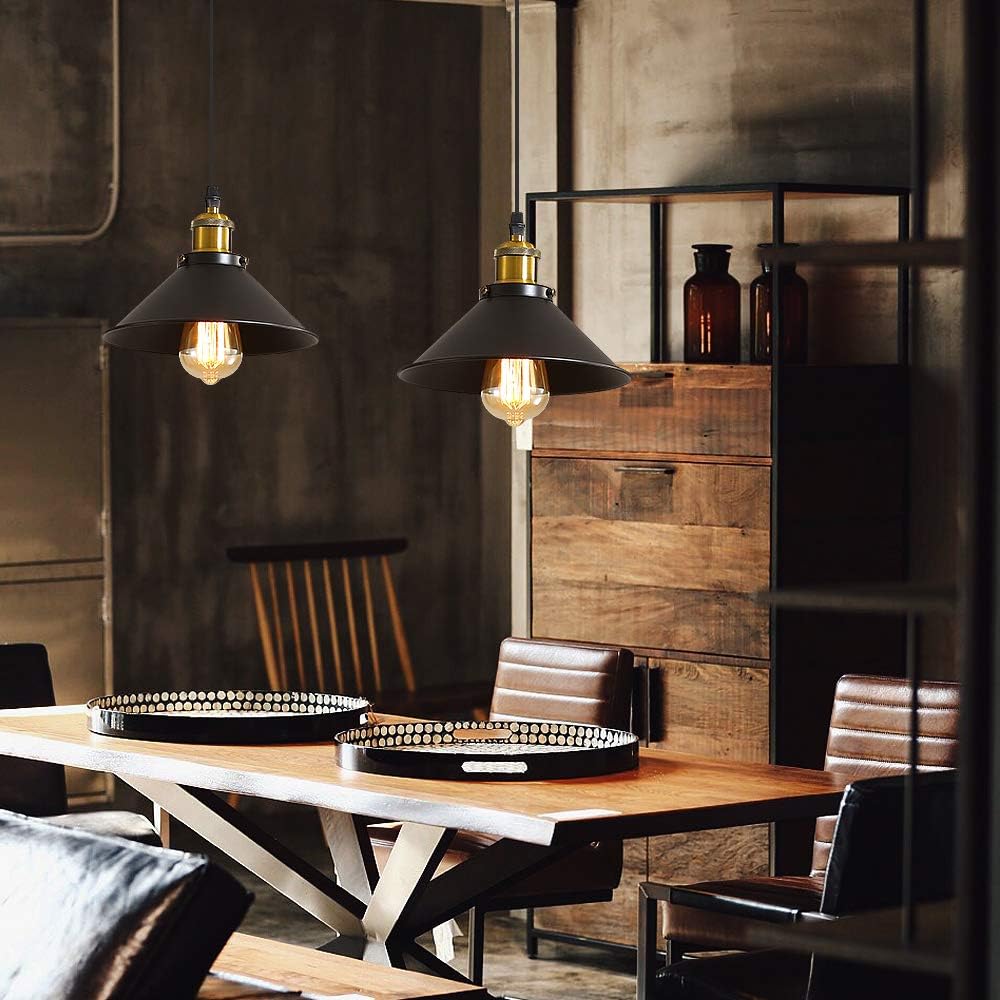
If one fixture is mounted higher, lower or closer to a wall, it will illuminate surfaces differently. This can make one light seem stronger, softer or warmer. The effect is especially noticeable with wall lights, pendant lights and paired ceiling lights.
7. Dimming and colour modes may not match
For dimmable or colour-adjustable fixtures, both lamps must be set to the same mode. One lamp may remember the last setting while another returns to a default mode after power loss. This can create an obvious difference in colour or brightness.
8. LED drivers and power conditions can influence output
The LED driver controls how power is supplied to the light source. Differences in driver design, voltage conditions or switch compatibility can affect brightness and stability. A slightly dimmer warm light can look more yellow than a brighter one.
How to check the cause
- Turn both lamps on at the same time and let them run for a few minutes.
- Compare the light on a white wall or neutral surface.
- Swap the lamps’ positions if possible.
- Check whether both lamps have the same Kelvin rating and mode.
- Inspect and clean the diffusers.
- Avoid comparing one lamp near a coloured wall with another near a white wall.
How to avoid this problem
- Use the same model and series in one visible area.
- Install paired lamps from the same delivery when possible.
- Avoid mixing different brands or product ranges in a symmetrical layout.
- Keep the same colour temperature within one room zone.
- Choose adjustable lights only when the settings can be matched easily.
When should you be concerned?
A small colour difference can be normal. However, if one lamp looks strongly blue, green, purple, very dim, unstable or changes colour by itself, there may be an issue with the LED, driver or control setting.
Conclusion
Two new lamps can look different because of Kelvin tolerance, LED batches, diffusers, colour rendering and room reflections. Before assuming a defect, compare them under the same conditions. For a harmonious room, choose consistent models, matching colour temperatures and balanced placement.