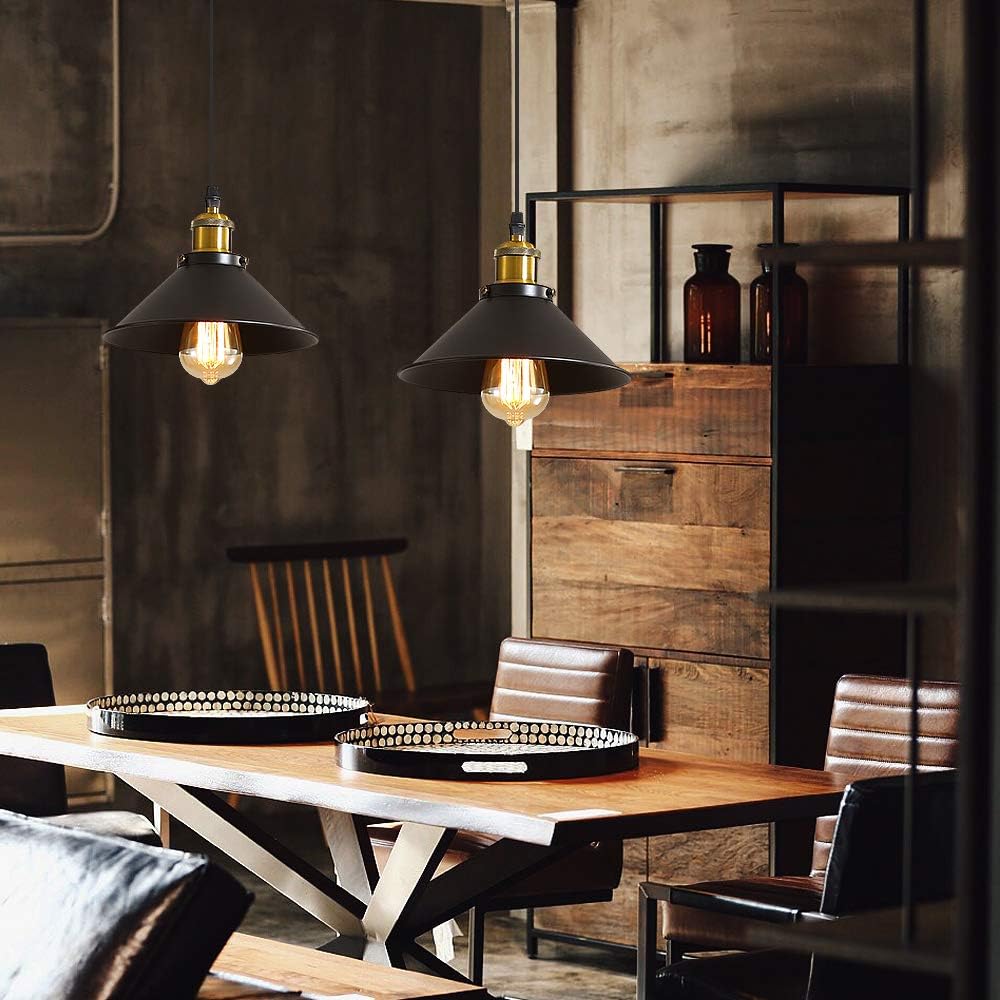
Are Expensive Light Fixtures Always Better?

When buying a light fixture, it is easy to assume that the more expensive option is better. Sometimes it is. A higher price may come from stronger materials, a better LED driver or a more careful finish. But price alone does not tell you whether the fixture will work well in your home.
Price is only one signal
A fixture can cost more for technical reasons, such as a better driver, thicker metal, real glass or a more complex structure. It can also cost more because of design, branding, packaging, distribution or market positioning. Those things are not always bad, but they are not the same as better lighting performance.
1. Materials matter, but they are not the whole story
Aluminium, glass, solid metal parts and well-finished surfaces can make a fixture feel more durable. Still, the most expensive or heaviest fixture is not always the most suitable. In a small bedroom, a simple compact light may look better than a large decorative piece.
2. The LED driver can matter more than the visible design
For integrated LED fixtures, the driver affects how the light starts, whether it flickers, and how stable the output feels. LED quality also affects consistency and heat. These parts are usually hidden, but they often matter more in daily use than a decorative shape.
3. A premium finish does not guarantee comfortable light
A black, brass, gold or chrome finish can look beautiful, but the light may still be harsh. Look at the diffuser, beam angle, lumen output, colour temperature and glare. A simpler fixture with better diffusion can feel more comfortable than a more expensive statement piece.
4. High price may come from design complexity
Unusual shapes, many parts and decorative details increase cost. That can be worth it when the fixture is meant to be a focal point. But for a hallway, kitchen, bathroom or small bedroom, a simpler and more practical design may do the job better.
5. Correct size is often more important than price
An expensive fixture that is too large can make a room feel cramped. An expensive fixture that is too small can look lost and underperform. Before choosing by price, check room size, ceiling height, furniture layout and where the electrical point is located.
6. The room changes what “better” means
In a living room, decorative value may matter. In a kitchen, useful light and easy cleaning matter more. In a bathroom, moisture suitability and the right protection level are important. In a bedroom, soft and glare-controlled light may be more valuable than a dramatic design.
What may be worth paying more for
- More even light distribution.
- A more stable LED driver.
- Stronger materials and cleaner finishing.
- Better heat management for LED fixtures.
- A size and structure that suit the real room.
- A surface finish that is easier to maintain.
What is not always worth the extra cost
- A dramatic shape that does not light the room well.
- Functions you will rarely use.
- A large fixture in a low or small room.
- A shiny finish that shows every fingerprint.
- A brand premium without matching technical value.
How to compare two fixtures
- Start with the room: size, ceiling height, wall colour and use.
- Compare lumens, not just watts.
- Check whether the light is direct, diffused or indirect.
- Look at materials and finish quality.
- Check fixture size against the furniture and ceiling.
- Ask whether the style fits the room you already have.
- Ignore features that you are unlikely to use.
FAQ
Does an expensive light fixture always last longer?
No. Lifespan depends on the LED driver, heat management, installation and usage conditions.
Is higher wattage always better?
No. Lumens, beam spread and glare control matter more than wattage alone.
Are branded fixtures always better?
A known brand may offer more consistency, but you should still check the technical details and room fit.
When is it worth paying more?
When the extra cost brings real value: better light quality, stronger materials, stable electronics or a design that truly suits the room.
Conclusion
An expensive light fixture can be a good choice, but it is not automatically the best choice. Look at the quality of light, driver, materials, size and room use. The right fixture is not the one with the highest price; it is the one that works well in the space you actually live in.