Can You Mix Different Light Fixtures in the Same Space?

Most rooms need more than one kind of light. A ceiling light gives general brightness, a pendant defines a table, a wall light can brighten a vertical surface, and a table lamp makes the room softer in the evening. Mixing different light fixtures in the same space is possible and often useful. It starts to look wrong when the fixtures feel unrelated.
Why mix different fixtures?
One central light rarely handles every situation well. It may light the room, but it may not help with dining, reading, cooking or relaxing. Different fixtures solve different problems. The aim is not to add more lamps for decoration alone, but to put useful light where people actually use the room.
1. Give every fixture a job
Start with function. The ceiling light can provide general light. A pendant can focus on the dining table or kitchen island. Wall lights can brighten a passage or wall. A floor lamp can support reading near the sofa. When each light has a job, the mix looks intentional.
2. Keep colour temperature consistent
A room can feel patchy if one light is very warm and another is cold white in the same zone. Living rooms and bedrooms usually look calmer when the light colour is close. In a kitchen, task lighting can be slightly more neutral, but the shift toward the dining area should not feel harsh.
3. Limit visible finishes
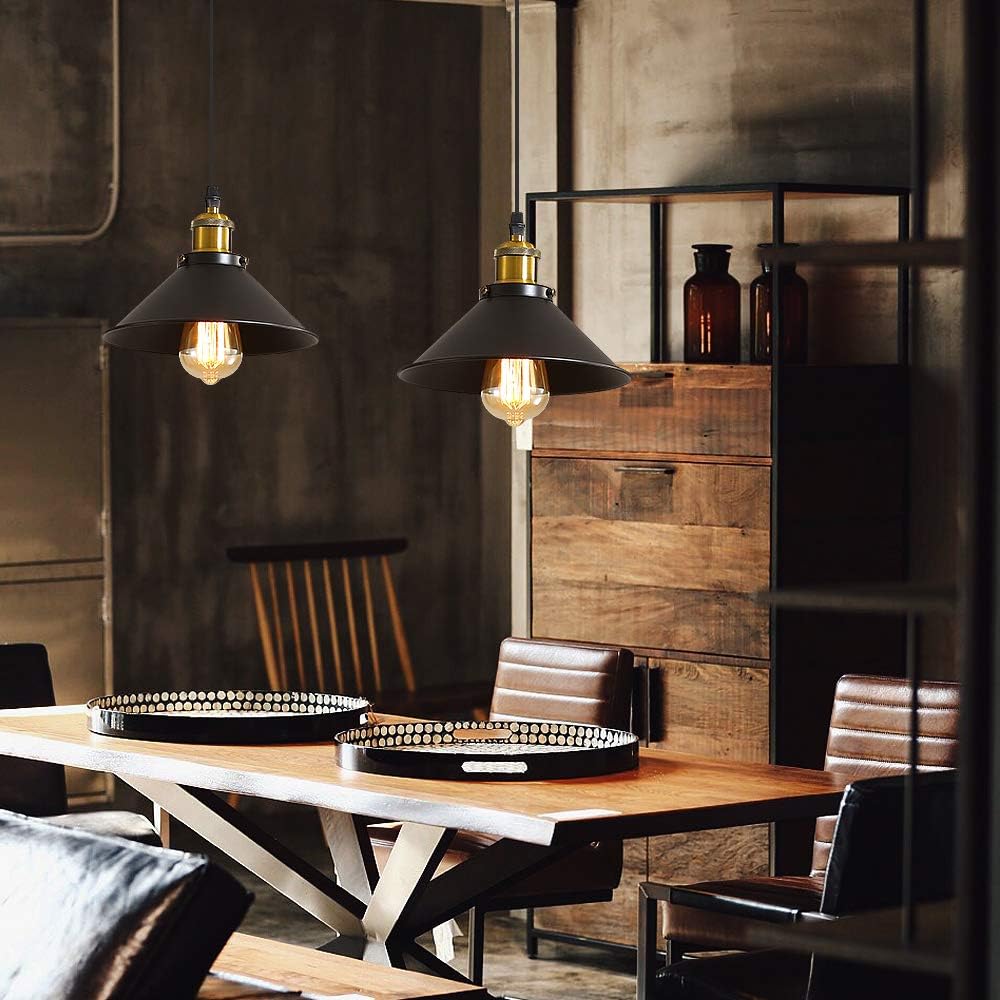
Black, brass, chrome, white, wood and smoked glass can all look good, but not always together. A safer approach is one main finish and one secondary finish. For example: black with wood, brass with white, or chrome with clear glass.
4. Choose one visual hero
If the pendant over the table is bold, keep the ceiling light and wall lights simpler. If the ceiling light is already the main design feature, let the other fixtures stay quiet. Several attention-grabbing lights in the same view can compete with each other.
5. Match the scale to the room
A large open room can handle more fixture types. A small bedroom or entryway needs more restraint. Check ceiling height, furniture size, walkways and table width before choosing. The fixtures should support the room, not overpower it.
6. Use more than one lighting height
Ceiling light alone can make a room feel flat. A lamp at table height, a wall light or a floor lamp adds depth. It also lets you change the mood without turning on every light at full brightness.
Combinations that usually work
- Living room: simple ceiling light, floor lamp near the sofa, one wall light as an accent.
- Dining room: pendant over the table with soft background lighting.
- Open kitchen: practical counter lighting with a warmer pendant over the dining area.
- Bedroom: diffused ceiling light, bedside lamps, small reading wall light.
- Entryway: compact ceiling light with a small table lamp or wall light.
Common mistakes
- Buying each fixture separately without checking the whole room.
- Mixing too many strong styles at once.
- Using colour temperatures that fight each other.
- Letting several decorative fixtures compete for attention.
- Copying a product photo without considering ceiling height and furniture layout.
- Forgetting how the room is actually used.
FAQ
Do all fixtures need to match?
No. They can be different if they share a finish, shape, colour temperature or level of simplicity.
Can black and brass be mixed?
Yes, especially when one finish is dominant and the other appears as an accent.
How many fixtures are too many?
There is no fixed number. It becomes too much when fixtures repeat the same job or make the room look crowded.
Can a ceiling light and pendant be used together?
Yes. The ceiling light can cover the room, while the pendant defines a table, island or seating zone.
Conclusion
You can mix different light fixtures in the same space. The result works best when every light has a purpose, finishes are limited, colour temperature is consistent and one fixture remains the main visual focus. A planned mix makes a room more useful without making it look busy.