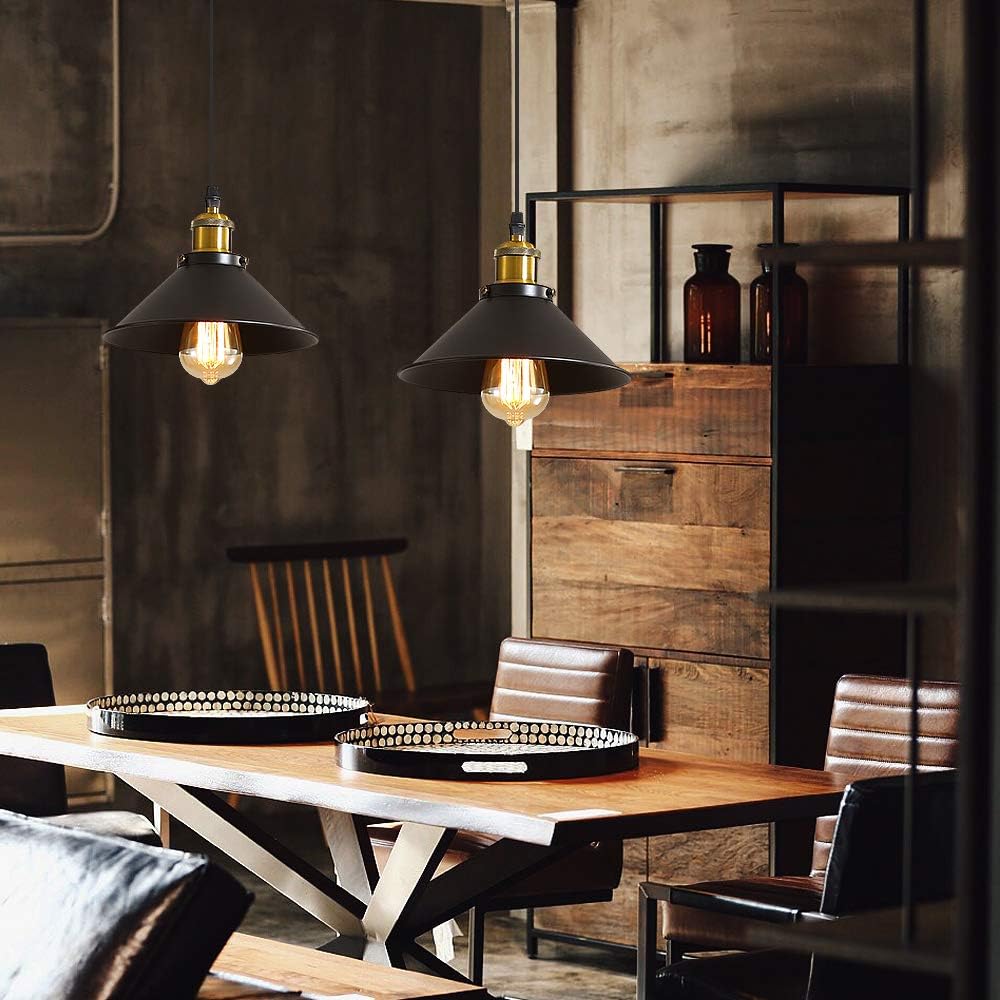
Why Does Floor Colour Affect the Way Lighting Looks?

When people choose a light fixture, they usually look at brightness, colour temperature, size and style. The floor is often ignored. But the floor is a large surface that receives a lot of light. Its colour and finish can change how bright, warm or balanced the room feels.
The floor reflects or absorbs light
A light floor reflects more light back into the room. Walls and furniture can look brighter, and the space may feel more open. A dark floor absorbs more light. The fixture may still be bright, but the room can look heavier or less evenly lit.
1. Light floors make rooms feel brighter
Pale wood, beige tile, light laminate or off-white flooring helps light spread. In a small room, this can reduce the feeling of dark corners. However, very strong cool-white light on a bright floor can look flat or harsh, especially in a room with white walls.
2. Dark floors often need layered lighting
Dark wood, charcoal tile or black flooring adds depth, but it also absorbs light. One ceiling light may create a bright centre and darker edges. Floor lamps, wall lights or table lamps can help spread light more evenly.
3. Floor tone changes perceived colour
A warm wooden floor can make the room feel more golden. A cool grey floor can make the same lamp look more neutral or cooler. That is why the same light fixture can look different in two homes, even when the bulb is the same.
4. Glossy and matte floors behave differently
A glossy floor reflects light more strongly and may create visible glare, especially under spotlights. A matte floor scatters light more softly, but it can also appear less bright. The finish matters as much as the colour.
5. Strong floor colours influence the atmosphere
Terracotta flooring makes light feel warmer. Blue-grey flooring can cool down the room. Yellow-toned wood can intensify warm bulbs. If both the floor and light are very warm, the room may look too yellow. Neutral light can sometimes balance it better.
How to choose lighting for different floor colours
- Light floor: use diffused light and avoid unnecessary brightness.
- Dark floor: use several light sources instead of one strong ceiling light.
- Glossy floor: avoid narrow downlights that create strong reflections.
- Warm wood floor: compare warm white and neutral white before deciding.
- Cool grey floor: slightly warm light can make the space feel less hard.
Common mistakes
- Choosing lumens without considering dark surfaces.
- Using strong spotlights over glossy tiles.
- Pairing yellow wood with very warm light without checking the result.
- Assuming a light floor replaces good lighting layout.
- Ignoring rugs, large furniture and curtains that also absorb light.
FAQ
Does a dark floor always make a room dark?
No. A dark floor can look elegant, but it usually needs better light distribution and some secondary lighting.
Can I use a weaker lamp with a light floor?
Sometimes, but room size, wall colour, furniture and daily use still matter.
What light colour works with warm wood flooring?
Warm white feels cosy. Neutral white can be useful when the wood is already very yellow or orange.
Can glossy flooring cause glare?
Yes, especially when the light is directed downward or the floor is highly reflective.
Conclusion
Floor colour affects lighting because it changes reflection, absorption and colour perception. Before choosing a fixture, look at the floor as part of the lighting system. It often explains why the same lamp looks brighter, warmer or duller from one home to another.