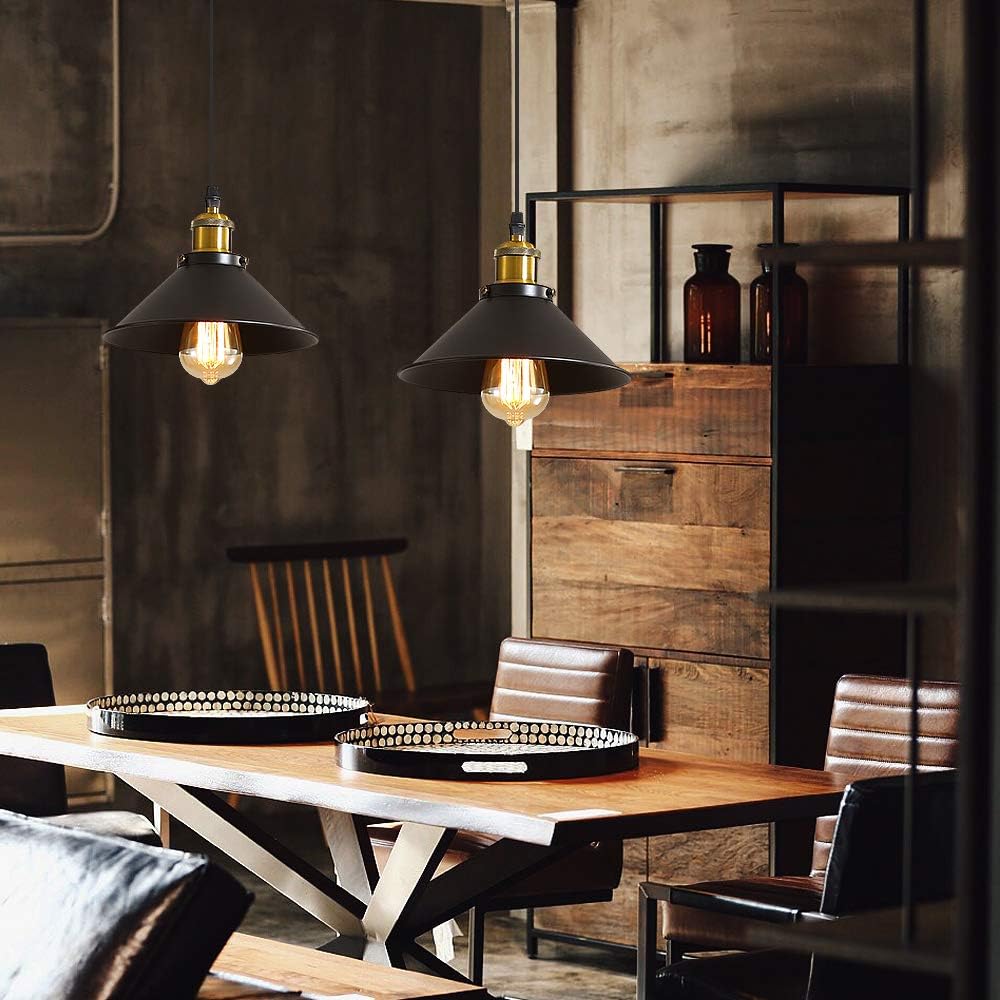
Why Does Hotel Living Room Lighting Feel Comfortable While Home Lighting Feels Ordinary?

Hotel lounges and hotel-style living rooms often feel calm as soon as you walk in. The lighting is not always brighter than home lighting, but it feels softer, more balanced and more relaxing. At home, many living rooms still rely on one ceiling light in the middle of the room. That single fixture is expected to light the sofa, coffee table, walls, walkway and sometimes the TV area.
The comfortable hotel effect usually does not come from one expensive lamp. It comes from planning. Hotels use several light sources, reduce glare, brighten walls and keep the lighting mood consistent.
1. Hotels rarely rely on one central light
A single ceiling light often creates a bright centre with darker edges. This can make a living room feel flat and unfinished. In hotels, light is usually divided into zones: a ceiling light, a floor lamp, wall lights, cabinet lighting or indirect light.
Because each light has a smaller job, none of them needs to be painfully bright. The room feels more balanced and easier to use.
2. Some of the light comes from a lower level
Ceiling light alone comes from above and falls directly onto faces, furniture and the floor. It can be practical, but not always relaxing. Hotel rooms often add light at eye level or lower: table lamps, floor lamps, wall lights and small accent lights.
This lower light makes the room feel more intimate. It also prevents the ceiling from becoming the only bright part of the space.
3. Walls are lit, not left in shadow
A living room feels more comfortable when the walls remain visible. Hotels often brighten vertical surfaces such as the wall behind a sofa, curtains, artwork, shelves or a niche. This gives the room depth without adding harsh brightness.
At home, if only the floor and coffee table are lit, the room can still feel dull. A wall light, a lamp aimed toward the wall or soft indirect light can make a large difference.
4. Glare is controlled
Good hotel lighting rarely exposes a harsh light source. Lampshades, diffusers and indirect beams soften the light. You notice the glow before you notice the bulb.
In a home living room, a visible LED, a narrow spotlight or a small but very bright light surface can cause discomfort. Comfort depends on how light is diffused, not only how much light a fixture produces.
5. Colour temperature is consistent
Hotels often use warm or soft neutral light in relaxing areas. This does not mean every living room must look yellow, but the tones should not fight each other. Mixing cold white ceiling light with warm lamps in the same view can make the room feel less intentional.
For most living rooms, warm or soft neutral light works better in the evening than very cold white light.
6. Part of the light is hidden
Indirect light often feels more refined because you see the effect before you see the source. Light behind a shelf, under a cabinet, near a curtain or along a ceiling edge softens the room.
You do not need a complex ceiling design to use this idea at home. A lamp near a wall, a small light on a sideboard or a wall light with upward diffusion can create a similar feeling.
7. Furniture and materials help the lighting work
Hotel lighting is usually matched with fabrics, wood, wall colours and furniture. Warm light on wood and textiles feels different from cool light on glossy floors and grey walls. Before changing every fixture, look at the surfaces your light is touching: sofa, rug, TV unit, curtains and walls.
How to make a living room feel more like a hotel lounge
- Keep a ceiling light for general lighting, but do not rely on it alone.
- Add a floor lamp or table lamp near the sofa.
- Brighten at least one wall or dark corner.
- Use diffusers, shades or indirect light to reduce glare.
- Avoid very cold light in the seating area.
- Create different lighting moods for watching TV, reading and hosting guests.
- Use a few well-placed lights instead of many random small lights.
Common mistakes to avoid
- Installing one very bright ceiling light and expecting a warm atmosphere.
- Leaving walls and corners dark.
- Choosing fixtures only by design and ignoring diffusion.
- Mixing too many colour temperatures.
- Aiming spotlights directly at the sofa or TV.
- Forgetting that evening lighting should be gentler than daytime task light.
FAQ
Do I need a false ceiling to get hotel-style lighting?
No. A simple mix of ceiling light, floor lamp, table lamp and wall light can already make the room feel more comfortable.
Is warm light enough to create a hotel feeling?
Not by itself. Warm light helps, but placement, diffusion and wall lighting matter just as much.
How many lights should a living room have?
There is no fixed number. Many living rooms work better with general light, a sofa-side light and one wall or accent light.
Why does my expensive living room light still look ordinary?
Because one attractive fixture cannot fix dark corners, harsh glare or a lack of layered lighting.
Conclusion
Hotel living room lighting feels comfortable because it is layered. It does not depend on one ceiling fixture. To create a similar feeling at home, spread light across the room, soften glare, brighten walls and keep the colour temperature consistent. The setup can be simple, but it needs a clear purpose.