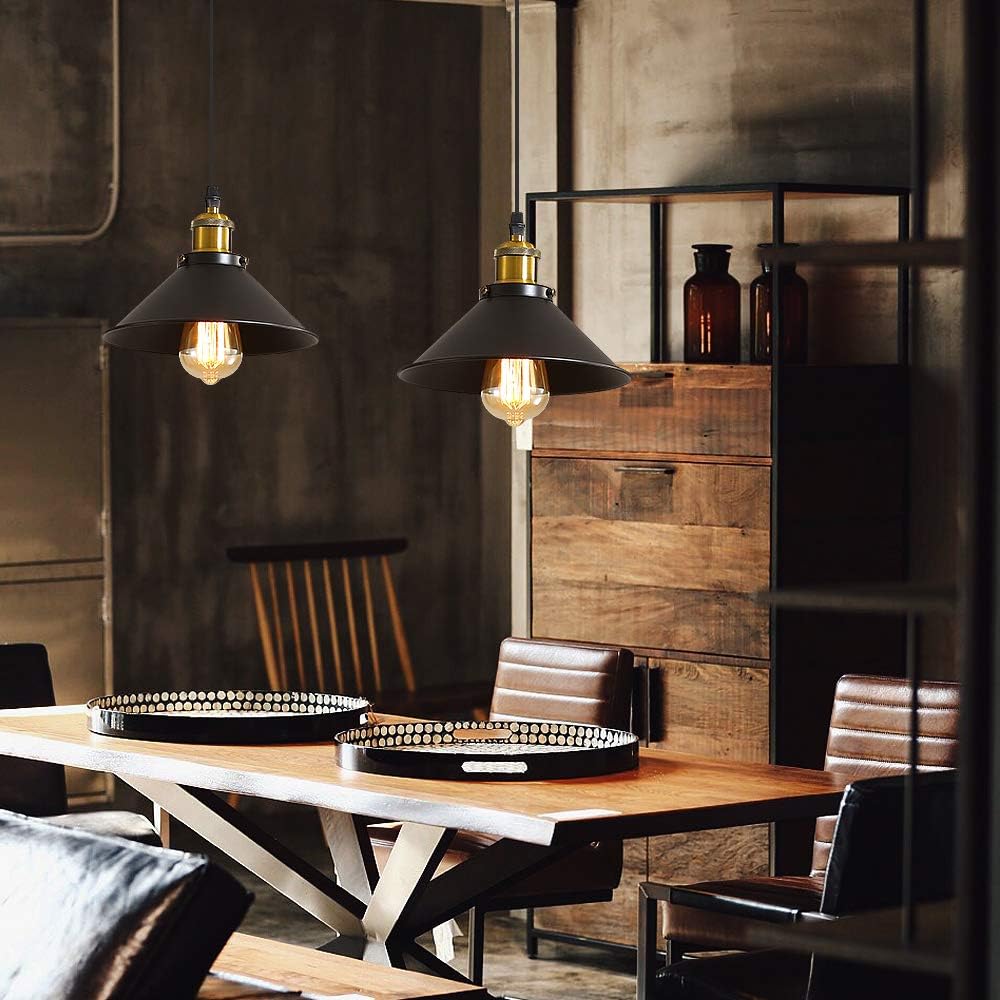
How Do You Choose the Right Height for a Living Room Pendant Light in Different Home Layouts?

A pendant light can make a living room feel more finished, but the height is easy to get wrong. Too low, and it blocks the view or feels heavy above the sofa. Too high, and it loses its shape in the room. The right height is not only a cable decision. It depends on how the living room is used.
One height does not work for every living room
A small apartment, an open-plan living room, a low-ceiling flat and a high-ceiling house all need different choices. The first question is simple: what is directly below the pendant, and will people walk, sit or watch TV under it?
1. Start with ceiling height
In a low or standard-height living room, a deep pendant can make the room feel lower. A short pendant, slim shade or flush ceiling light may work better. With a high ceiling, the pendant can usually hang lower so it stays connected to the seating area.
2. Check what is under the fixture
A pendant above a coffee table can hang lower than one above a walkway. Above a sofa, it should not enter the head space or feel as if it is pressing down on the seating area. Above a circulation route, clearance matters more than decoration.
3. Keep the TV sightline clear
Many living room pendants sit between the sofa and the TV wall. If the fixture is too low or the shade is too bright, it can distract the eye or reflect on the screen. Sit on the sofa before final installation and check the real viewing angle.
4. Consider visual weight
A clear glass pendant or thin linear fixture feels lighter than a wide black opaque shade. Two lights with similar measurements can look very different in the same room. The heavier the fixture looks, the more careful you need to be with height.
Differences by home layout
- Small apartment: use a short pendant, slim profile or flush mount if the ceiling is low.
- Open-plan living room: the pendant can define the seating zone, but it should relate to dining and kitchen lights.
- Low ceiling: avoid deep shades over walking routes.
- High-ceiling house: a larger or multi-tier pendant can balance the vertical space.
- Narrow living room: avoid wide fixtures that visually cut across the room.
Checklist before installation
- Measure ceiling height.
- Identify what sits below the pendant.
- Check the view from the sofa to the TV.
- Compare fixture width with the sofa and coffee table.
- Test the height while standing, sitting and entering the room.
- Check the light effect in the evening.
Common mistakes
- Using the exact room centre without checking the seating zone.
- Cutting the cable before testing the height.
- Choosing a visually heavy pendant for a low ceiling.
- Ignoring reflections on the TV.
- Applying dining-room pendant rules directly to a living room.
FAQ
Should the pendant be centred on the room or the sofa?
In many living rooms, the seating zone is a better reference than the geometric room centre. Sofa, coffee table and walkways matter more.
Can a small living room use a pendant?
Yes, if the fixture is short, light and proportional. With a very low ceiling, a flush light may be more practical.
What if the wiring point is not in the right place?
Depending on the fixture, a swag hook, adjustable suspension, ceiling track or extra floor and wall lights can help.
Conclusion
The right living room pendant height depends on ceiling height, furniture, TV sightlines, circulation and room layout. A good pendant should define the seating area without blocking the view or making daily movement awkward.